Quick answer: The wet season runs roughly November to March. Rain usually comes in heavy afternoon or night showers rather than all-day grey, so most mornings are usable. Seas can be rougher and the water less clear after rain, crossings are bumpier, the surf is less reliable, and the island is quieter, except over Christmas and New Year.
The wet season gets a bad name it doesn't fully deserve. On Lembongan it usually means warm days, a few hours of heavy rain, then clear skies again. The island is greener than at any other time, the roads are quieter, and you'll have more of the coast to yourself. A few things do change, and it helps to know them before you go.
How it rains
The wet season runs roughly November to March, with the most rain usually from December to February. It rarely rains all day. The usual pattern is a hot, humid morning, building cloud, then a heavy shower in the afternoon or at night. Some days stay dry; a few stay grey. Plan the things you most want to do for the morning.
On the water
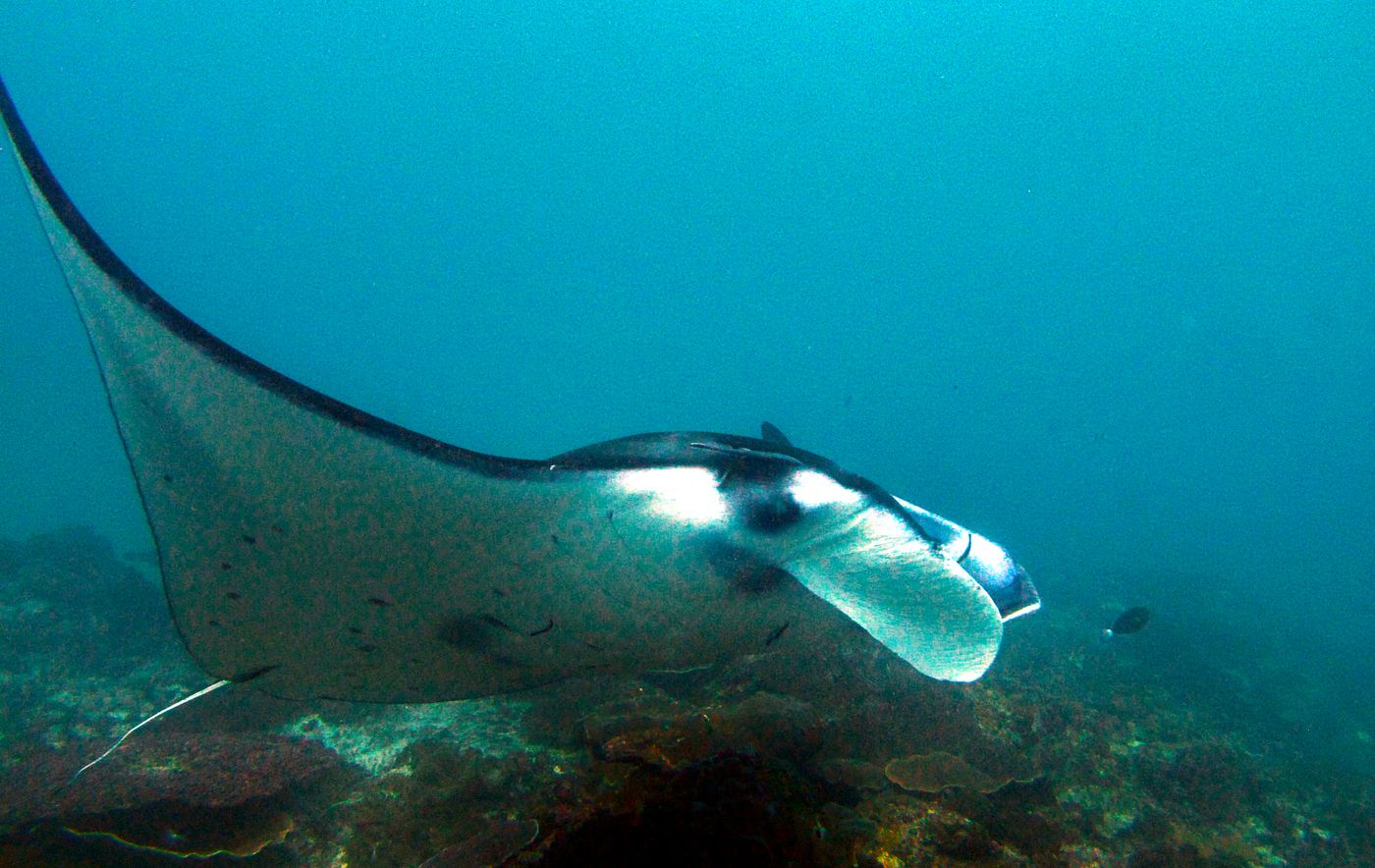
- Snorkelling and mantas: still on. Reef mantas visit cleaning stations off Penida through most of the year. After heavy rain the water near shore can be cloudier, and some days the boats won't go out. A calm morning is your best chance.
- Mola mola: out of season. The sunfish come with the cold upwellings, roughly July to October.
- Surf: less reliable. The north-west reefs are at their best when the dry season trade winds blow offshore. From November to March the wind is more changeable and often onshore, but calm windows still bring clean days. More on the breaks.
- The tide still rules: the seaweed farms at low tide and the mangroves at high tide work in any season. How to read the tide.
Getting here
Fast boats from Sanur run every day, but the crossing can be bumpier and, in a storm, delayed. Take a morning boat, keep your bags in a dry bag, and leave a spare day before an international flight. Choosing a boat.
On the island
- Roads: wet roads are slippery, and the steep ones on Ceningan and around the south-west are the worst. If you aren't confident on a scooter, take a driver after rain. Getting around.
- Mosquitoes: busier in the wet months. Use repellent, especially at dusk.
- Crowds and prices: quieter and easier to book, except Christmas and New Year, which are among the busiest weeks of the year. Book those early.
- Nyepi: the Day of Silence falls in March. In 2027 it is Monday 8 March: no boats, no going out, for 24 hours. What to expect.
What to pack
A light rain jacket or poncho, a dry bag for the boat and your phone, quick-dry clothes, sandals that grip on wet ground, reef shoes, repellent and reef-safe sunscreen. The sun is still strong between showers.
Questions
Is it worth visiting Nusa Lembongan in the rainy season?
Yes, for most trips. Rain tends to come in short heavy showers, the island is green and quieter, and rooms are easier to find outside Christmas and New Year. Keep plans flexible and do sea activities in the morning.
Can you still see manta rays in the wet season?
Yes. Reef mantas visit cleaning stations off Nusa Penida through most of the year. Trips depend on the sea on the day, so a calm morning is your best chance.
Do boats run from Sanur to Lembongan in the rainy season?
Yes, every day, but crossings can be bumpier and occasionally delayed in bad weather. Take a morning boat and don't plan a tight connection to a flight.
Is the surf good on Lembongan in the wet season?
Less reliable. The main reef breaks are at their best in the dry season trade winds; from November to March the wind is more changeable and often onshore, but calm windows still bring good days.
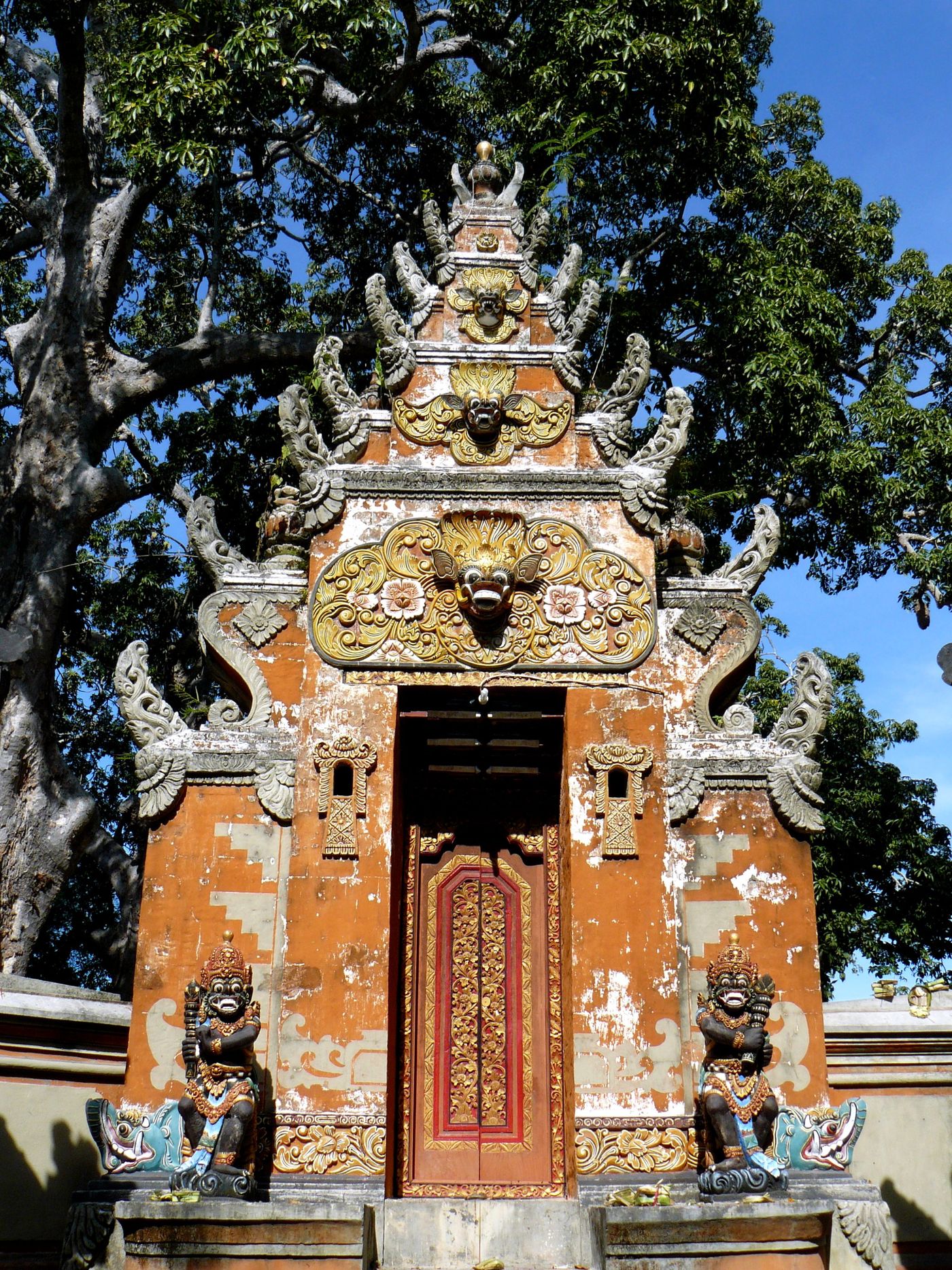
Header photo: yeowatzup, CC BY 2.0, via Wikimedia Commons
 Where to stay
 Snorkelling and mantas
 Beaches for swimming
