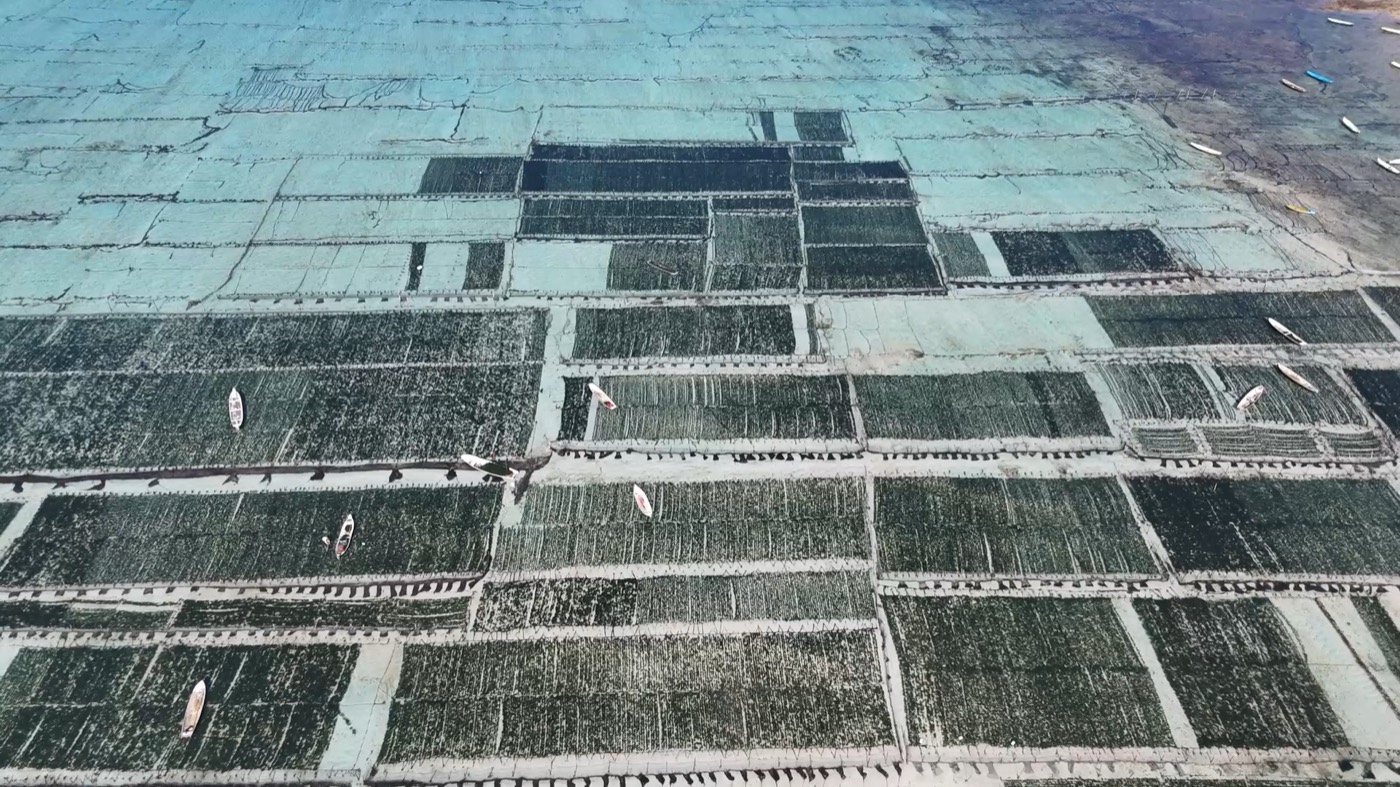
Quick answer: Lembongan has two high and two low tides most days, and they come about 40 to 60 minutes later each day. Go to the seaweed farms and reef flats around a daylight low tide, the mangroves and the sandy beaches around high tide, and snorkel on a calm morning. Today's times are on Lembongan Today.
Most islands have a weather forecast. Lembongan has a tide table. The water around the island is shallow, much of it reef, seaweed plots and mangrove, so a metre of tide changes everything: where you can walk, where a boat can go, where you can swim. Learn the rhythm and you'll plan better days than most visitors.
The rhythm
Most days bring two high tides and two low tides, roughly six hours apart. The two highs are often of different heights, and so are the two lows. Every day the whole pattern slides about 40 to 60 minutes later, so a low tide at 11:40 on Wednesday falls around 15:45 by the following Tuesday. That is why the best time for the seaweed farms or the mangroves keeps moving through the week.
The moon sets the size. Around full and new moon the tides are biggest: the highest highs and the lowest lows, which uncover the most reef and seaweed. Around the half moons the range is smaller and the water moves less.
What each tide is good for
| Tide | Good for | Keep in mind |
|---|---|---|
| Low, in daylight | Seaweed farms uncovered and farmers at work; walking the reef flats off Jungutbatu | Reef shoes; don't step on the plots; the tide comes back quickly |
| Rising to high | Mangrove boats; swimming off the sand at Jungutbatu and Mushroom Bay; boats reach the beach | At low tide the mangrove channels drain and boats cannot get in |
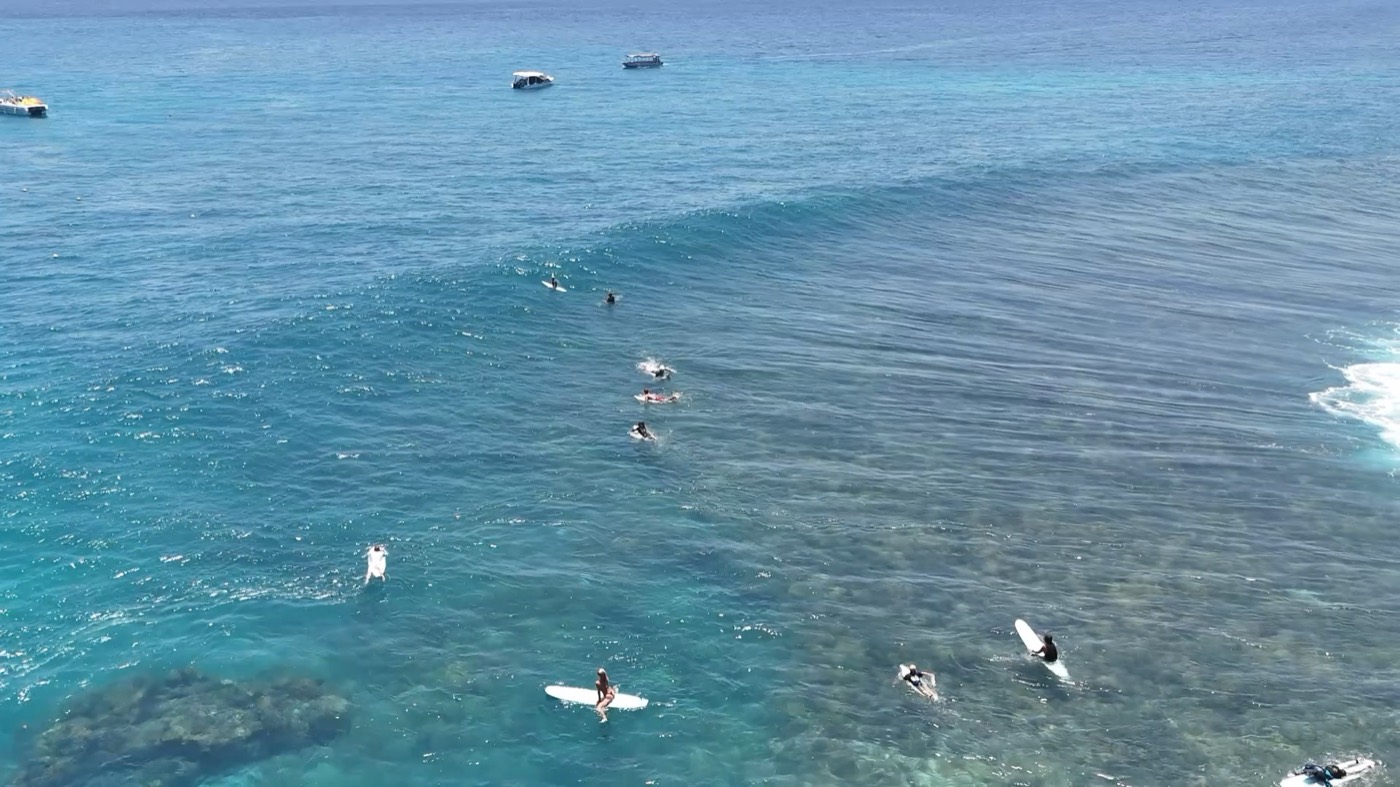
| Mid to high | Most surf breaks; cliff jumping at Mahana Point, by the Blue Lagoon, needs higher water and a calm sea | The reef gets very shallow at low tide: ask the boatmen |
| Calm morning, any tide | Snorkelling and manta trips | Currents run hardest while the tide is turning; go with a licensed boat |
| Not the tide: swell | Devil's Tears is most dramatic with a big swell, at any tide | Stay well back from the edge |
A day planned around the tide
Say the daylight low is around midday and the high is late afternoon, a common pattern. A good day looks like this:
- Early morning: snorkel or a manta trip while the wind is light and the sea flat.
- Late morning to early afternoon: the seaweed farms on Ceningan or along the channel at low tide, then lunch.
- Late afternoon: the mangrove boats as the water comes back in, or a swim off the sand.
- Sunset: Devil's Tears or the west coast. Sunset doesn't care about the tide.
When the low tide falls early or late in the day, swap the order. Two days later everything has moved by an hour or two, so check again.
Where the numbers come from
There is no official tide gauge on Lembongan that publishes live times. Our Lembongan Today page uses an ocean model forecast, refreshed every 30 minutes, and marks the next highs and lows. Treat the times as a guide to within half an hour or so. The boatmen on the beach read the water every day and always know best.
Questions
How many tides a day does Nusa Lembongan have?
Usually two high tides and two low tides, roughly six hours apart, and the two highs (and the two lows) are often of different heights. The times move about 40 to 60 minutes later each day.
What is the best tide for the Lembongan mangroves?
Mid to high tide. At low tide the channels drain and the boats cannot get through.
When can you see the seaweed farms?
Around low tide in daylight, when the plots are uncovered and farmers are working. The lowest daytime tides, around full and new moon, show the most.
Where can I find today's tide times for Lembongan?
On our live page, Lembongan Today, which shows today's and tomorrow's highs and lows, updated every 30 minutes from an ocean model. Local boatmen always know best on the day.
 When to go
 The rainy season
 Where to stay