Lembongan is the island Bali goes to when it wants to slow down. There are no big roads and no big hotels, just scooters, a long beach of moored boats at Jungutbatu, and a reef that turns the water every shade of blue.
Read the tide before you plan the day. At low tide the seaweed farms come out of the water and the flats are walkable. At high tide you can paddle into the mangroves and the boats can reach the beach. The surf works on its own clock.
Everything in this guide was filmed on the island.
The surf
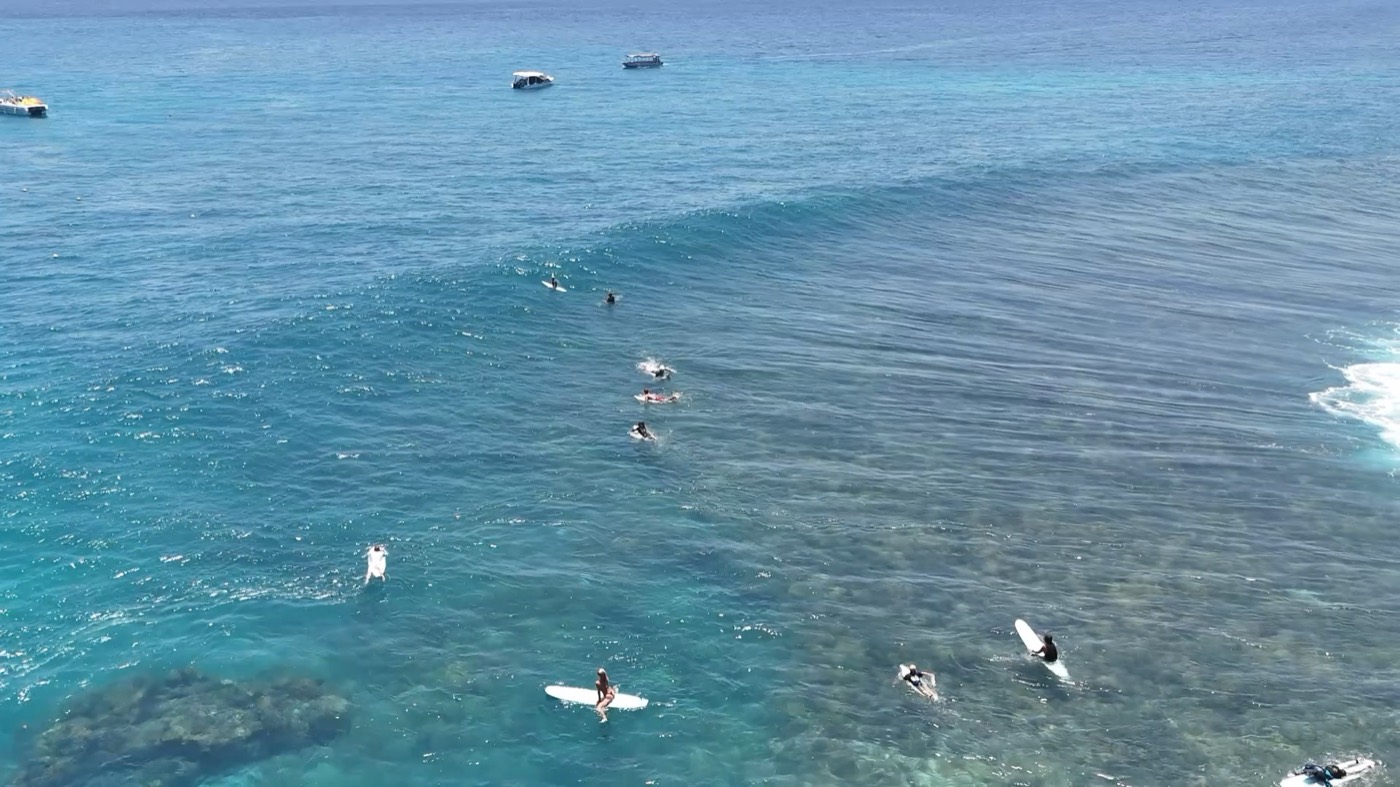
Northwest reef · dry seasonLembongan's waves break over shallow reef off the northwest coast, a short boat ride from Jungutbatu beach. Local boatmen run surfers out and wait for them. Across the channel, Ceningan has its own break.
The dry season, roughly April to October, brings the southeast trade winds, which blow offshore here. The reef is shallow, so these are waves for confident surfers, and booties are worth packing. The full surfing guide.
Under the water
Reef · mangroves · PenidaThe three islands sit in a strait where deep, cool ocean water moves past fast. That current is why the water is so clear and the marine life so big, and why you should always go out with a local boat.
Snorkelling
Calm, shallow reef runs along the north and west of Lembongan. Mangrove Point, at the northeast tip, is a gentle drift for first-timers. Boats leave from Jungutbatu every morning.
Manta rays and sunfish
Reef manta rays gather at cleaning stations off the south coast of Nusa Penida, a short boat ride away, and are seen through most of the year. In the cooler months, roughly July to October, divers go looking for the oceanic sunfish, or mola mola, which rises from deep water to be cleaned on the reef.
The seaweed farms
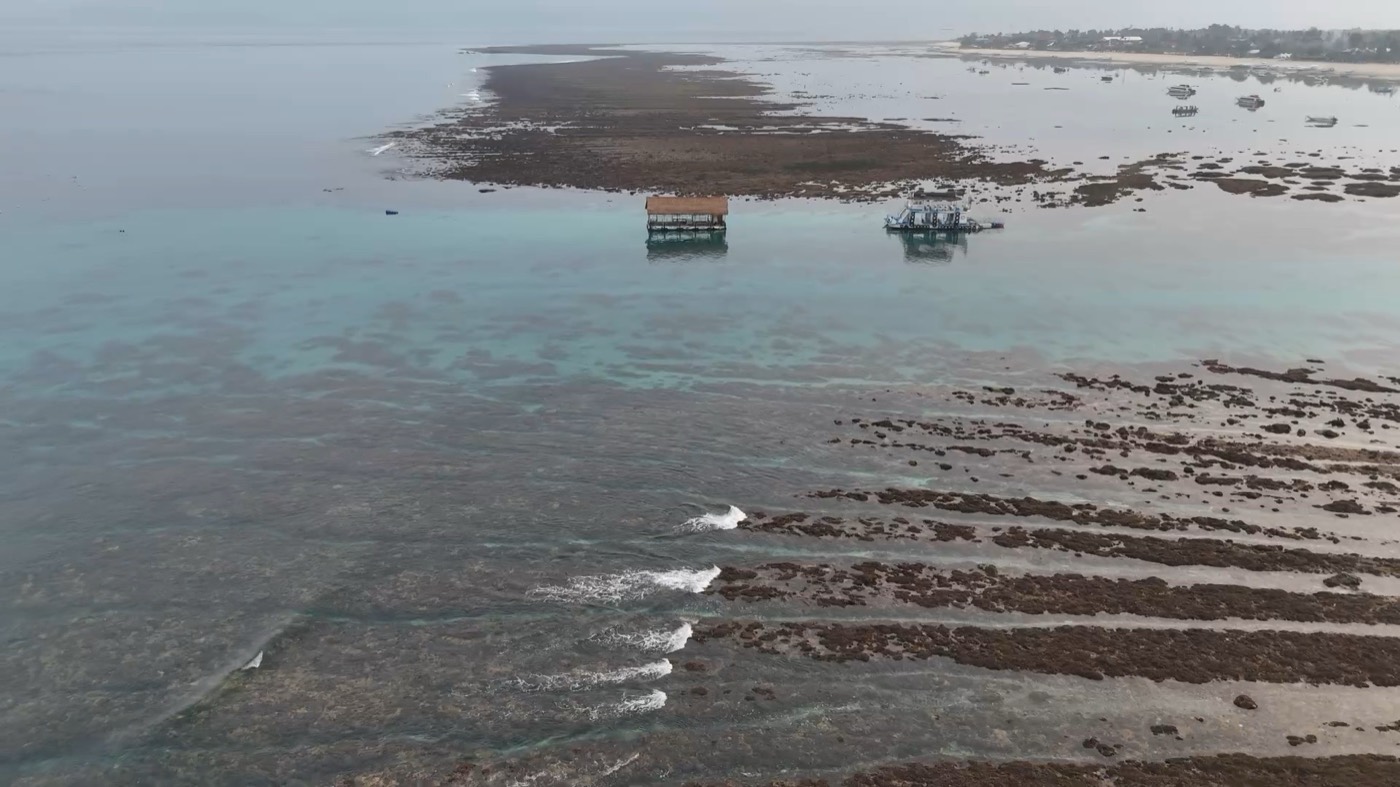
Low tide · the channelBefore tourism, seaweed was the island's living. Families planted lines of it in the shallow water, tended them at low tide, and dried the harvest on the ground in the sun before it was shipped away. Seaweed is still farmed here, and from the air the plots make a patchwork of green and gold across the water.
The best time to see the farms is a morning low tide, when farmers are out working the plots. You can watch from the shore at Jungutbatu or from the channel side of Ceningan.
The coast
Beaches · cliffs · the bridgeJungutbatu
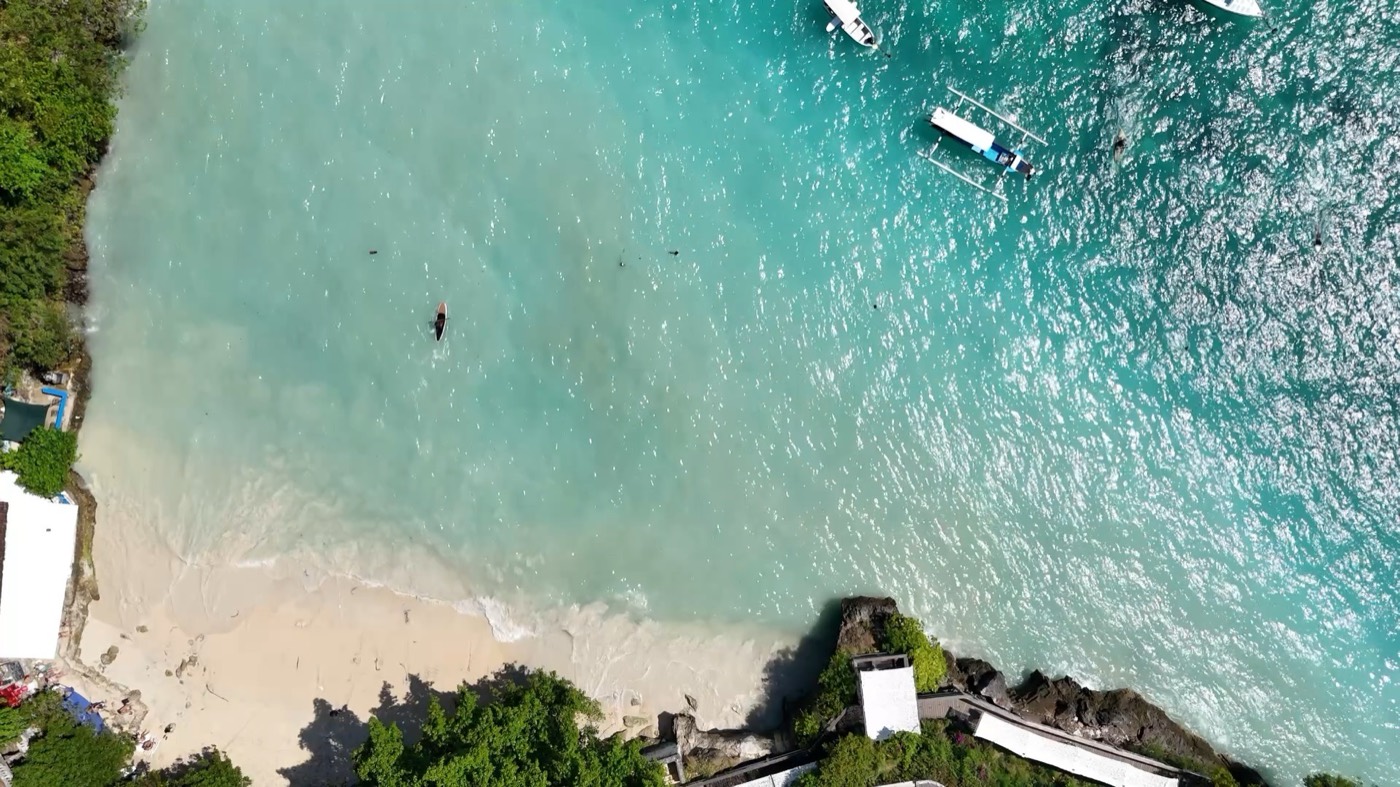
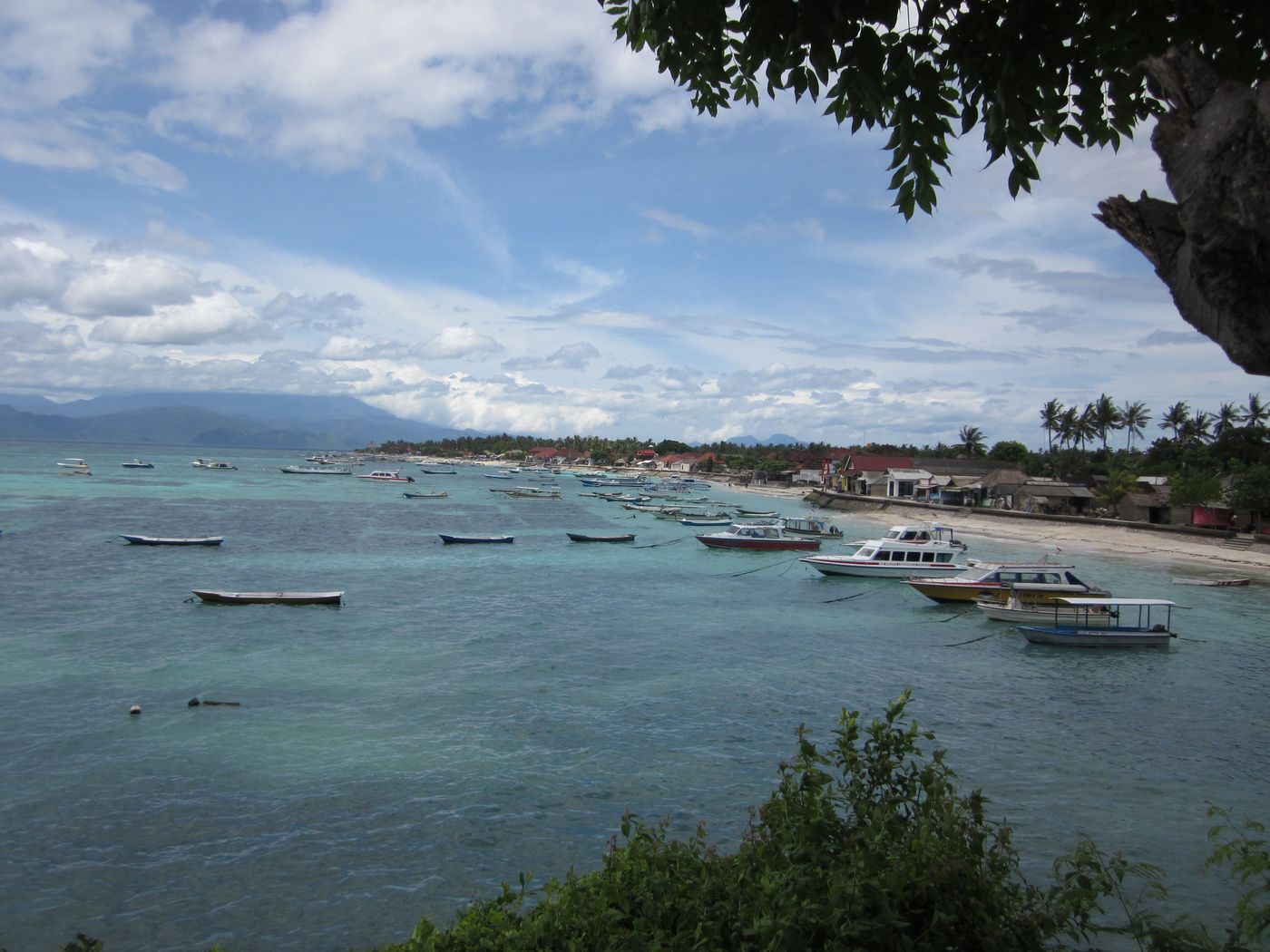
The long beach on the northwest coast where most boats land. On a clear morning you can see Mount Agung on Bali across the strait.
Mushroom Bay and Sandy Bay
Sheltered coves of white sand on the west coast, good for swimming when the sea is calm.
Dream Beach and Devil's Tears
On the southwest coast the reef gives way to limestone cliffs. Dream Beach is a beautiful cove with a strong shore break. Next door, Devil's Tears is where swell explodes against the rocks and throws spray high into the air, best at sunset.
The Yellow Bridge and Ceningan
A narrow suspension bridge crosses the mangrove channel to Nusa Ceningan, for people on foot and on scooters. On the far side are the Blue Lagoon, a deep cove ringed by cliffs, and Secret Beach.
The mangroves
The northeast of the island is a mangrove forest. At high tide, local boatmen pole flat-bottomed boats through the channels. The mangrove guide.
The underground house
Gala-Gala, near Lembongan village, is a house of tunnels and rooms dug into the limestone by hand by one man, Made Byasa, between 1961 and 1976.
The map
Real coastline · OpenStreetMapCoastline, mangroves and places from OpenStreetMap. © OpenStreetMap contributors, ODbL.
- JungutbatuThe main village and beach. Most boats land here.
- Mangrove ForestBoat trips through the channels at high tide.
- Mushroom Bay · Sandy Bay · Dream BeachThe west coast coves.
- Devil's TearsCliffs and blowholes. Keep back from the edge.
- Underground House · Yellow BridgeHand-dug house, and the bridge to Ceningan.
- Blue Lagoon · Secret BeachCeningan's cliffs and coves.
- Crystal BayOn Nusa Penida, by boat. Snorkelling and diving.
Plan the trip
Boats · seasons · mannersGetting here
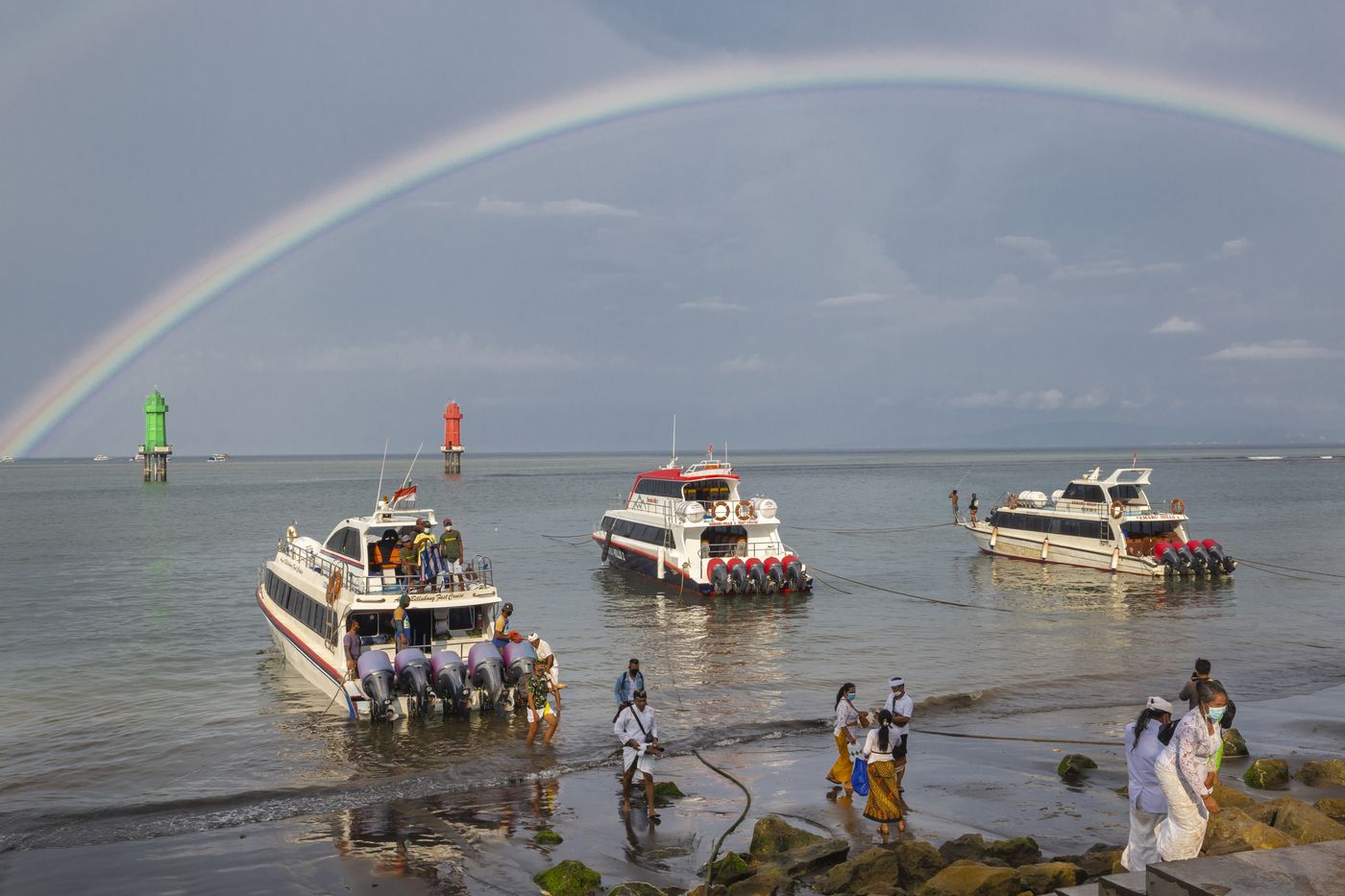
Fast boats run from Sanur on Bali through the day, about half an hour across. Most land on the beach, so expect to wade the last few steps with your bag. Pack light, and go in the morning when the sea is usually calmer.
Getting around
Scooters, bicycles, electric buggies and your own feet. Roads are narrow and hilly in places. Ceningan is reached over the Yellow Bridge.
When to go
April to October for surf and clear water. July to October for the best chance of sunfish. November to March is greener and quieter, with afternoon rain.
Nyepi
Bali's Day of Silence, usually in March (Monday 8 March in 2027), applies here too. For one day there are no boats, no lights and no going out. The night before, villages parade giant ogoh-ogoh figures. Check the date before you book.
Temples and offerings
Cover shoulders and knees, and wear a sarong and sash at temples. The small woven offerings on the ground, canang sari, are placed every day. Step around them.
Leave it better
Refill water instead of buying plastic, keep off the coral, and fly drones away from temples, ceremonies and people.
Guides
Answers before you goPlan
 Things to doTwelve ways to spend your days on the island, from the reef to the cliffs, and the tide that decides which to do when.
 Getting thereFast boats from Sanur cross in about half an hour and land on the beach.
- Fees and tourist taxTwo levies, one for Bali and one for the Nusa islands, plus a few small tickets.
 When to goDry season for surf and clear water, July to October for sunfish, the wet months for a green, quiet island.
 Where to staySix areas, six different trips.
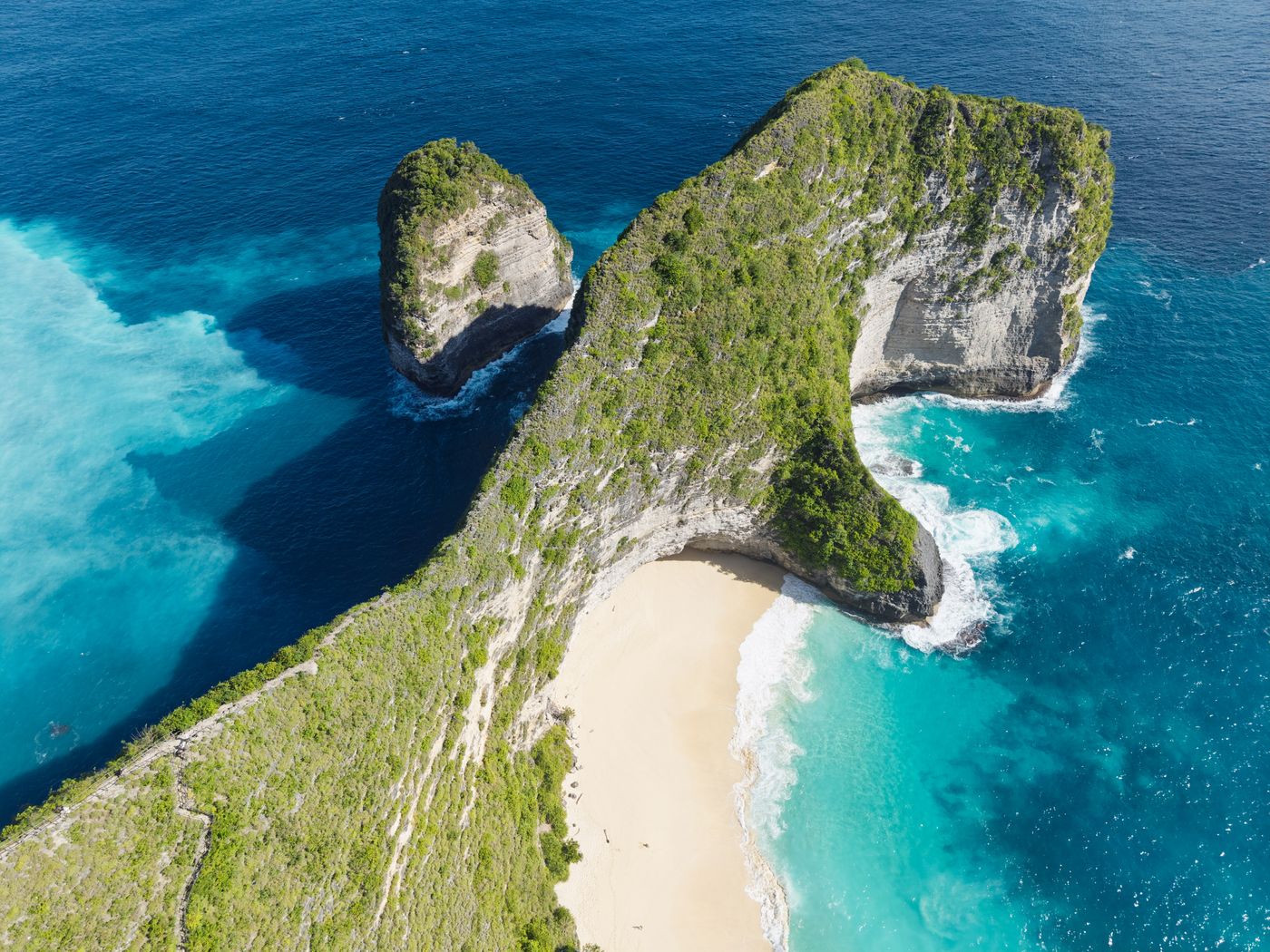 Lembongan or PenidaTwo neighbours, two very different trips.
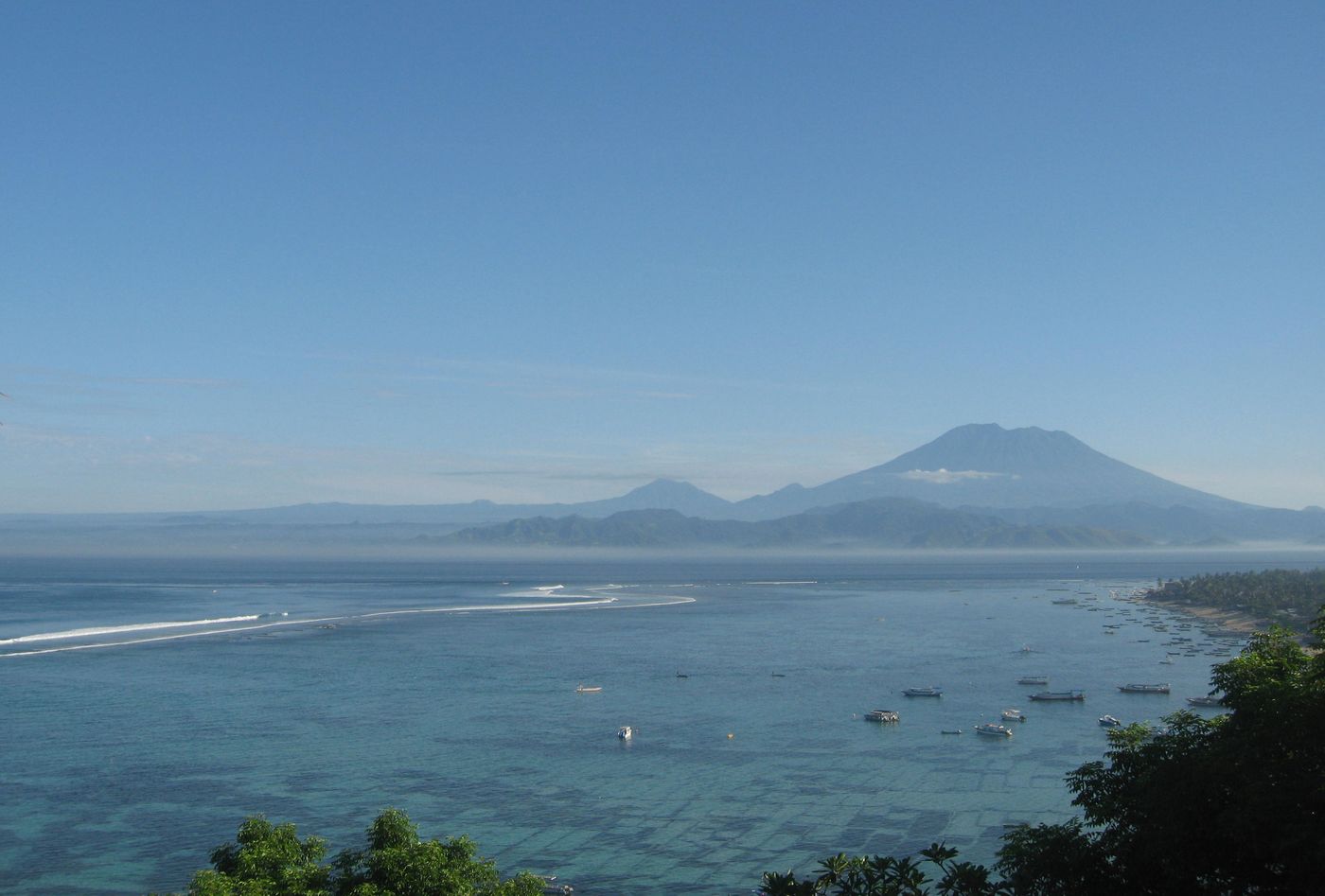 How many daysTwo or three days is the sweet spot.
- Getting aroundNo big roads and no big distances.
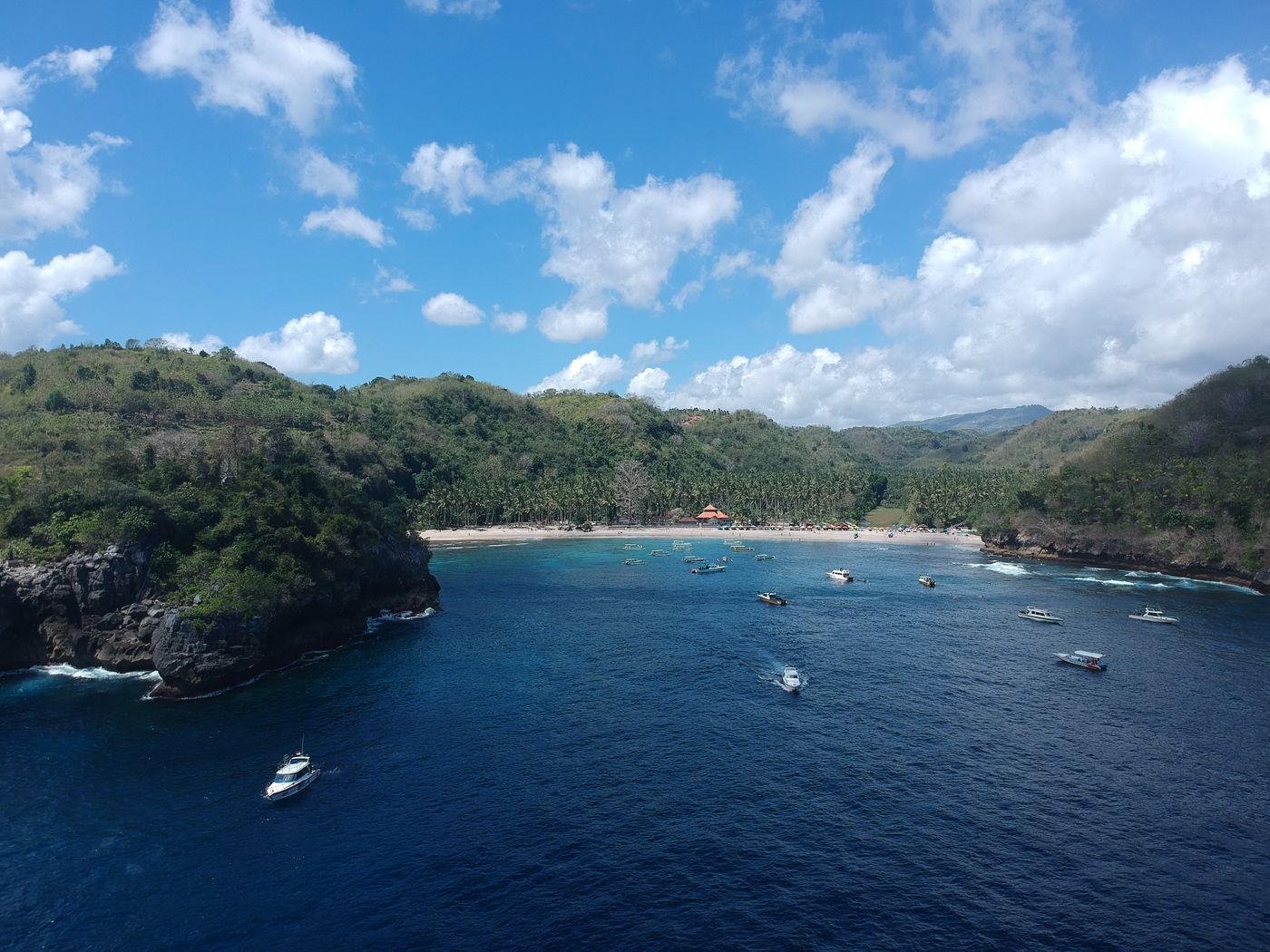 Penida day tripA short boat across the channel takes you to Penida's cliffs and coves.
- With kidsCalm coves, shallow reef, mangroves and seaweed farms make Lembongan a great island for families, with a few things to plan for.
- What it costsBoats, transfers, fees, scooters, food and activities, added up for a day trip, a weekend and a week.
- Day trip from BaliYou can see Lembongan in a day from Bali, if you start early and keep it simple.
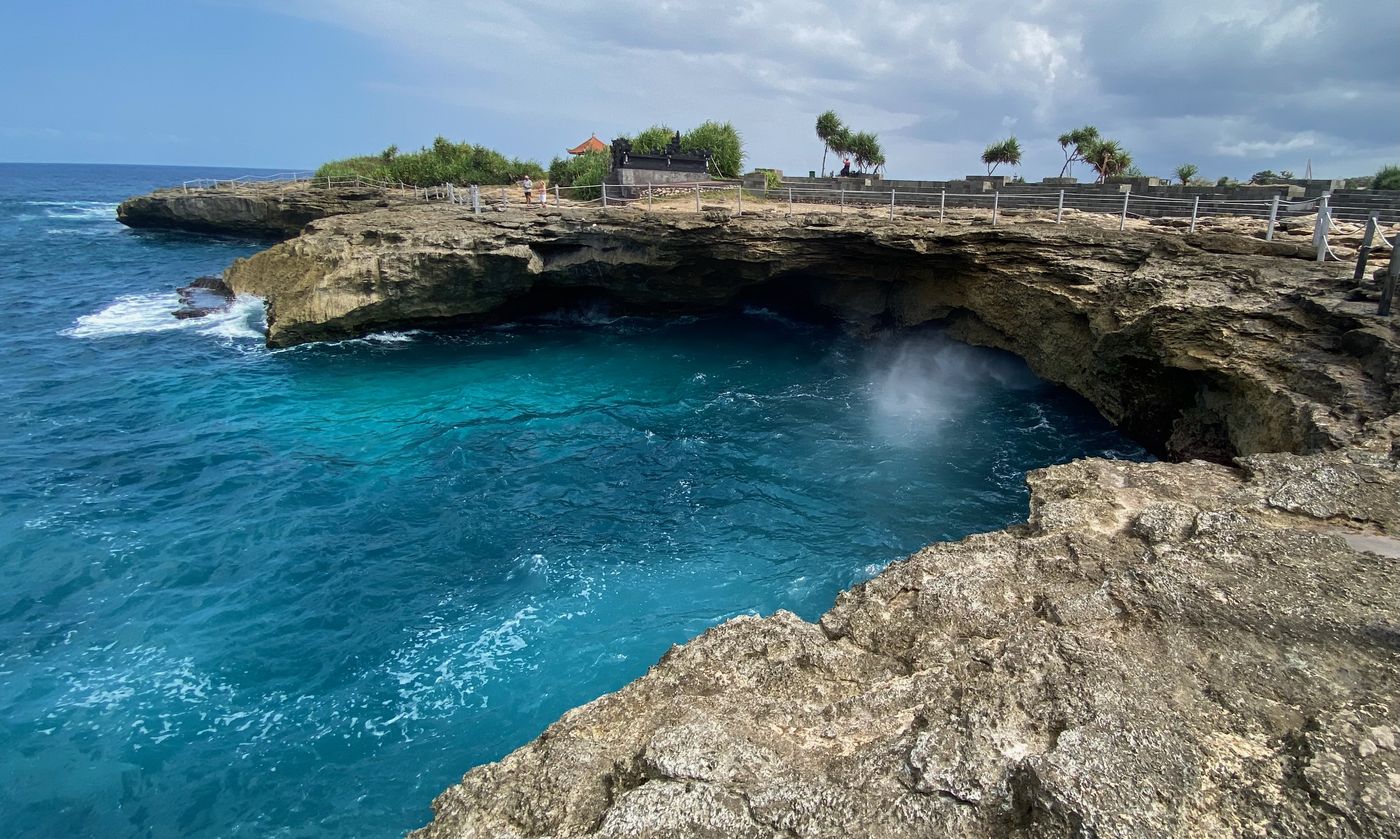 Is it safe?A friendly, relaxed island where the real risks are the sea, the cliffs and the roads.
- Money and ATMsLembongan has a handful of ATMs, more card machines than it used to, and QR payments everywhere.
- Choosing a fast boatMany companies, similar boats, very different landings.
Under the water
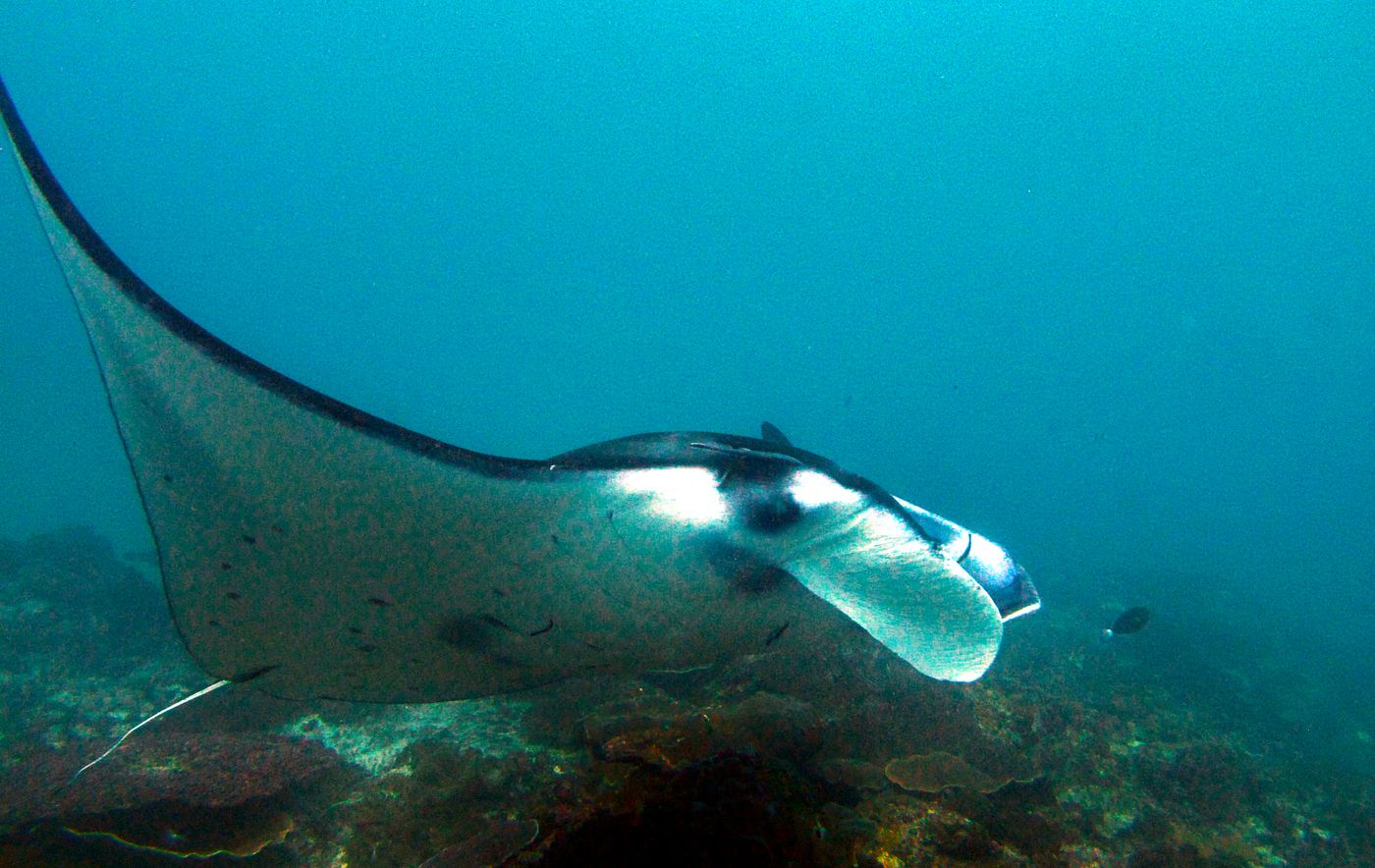 Snorkelling and mantasFast, cool currents run through the strait between the three islands.
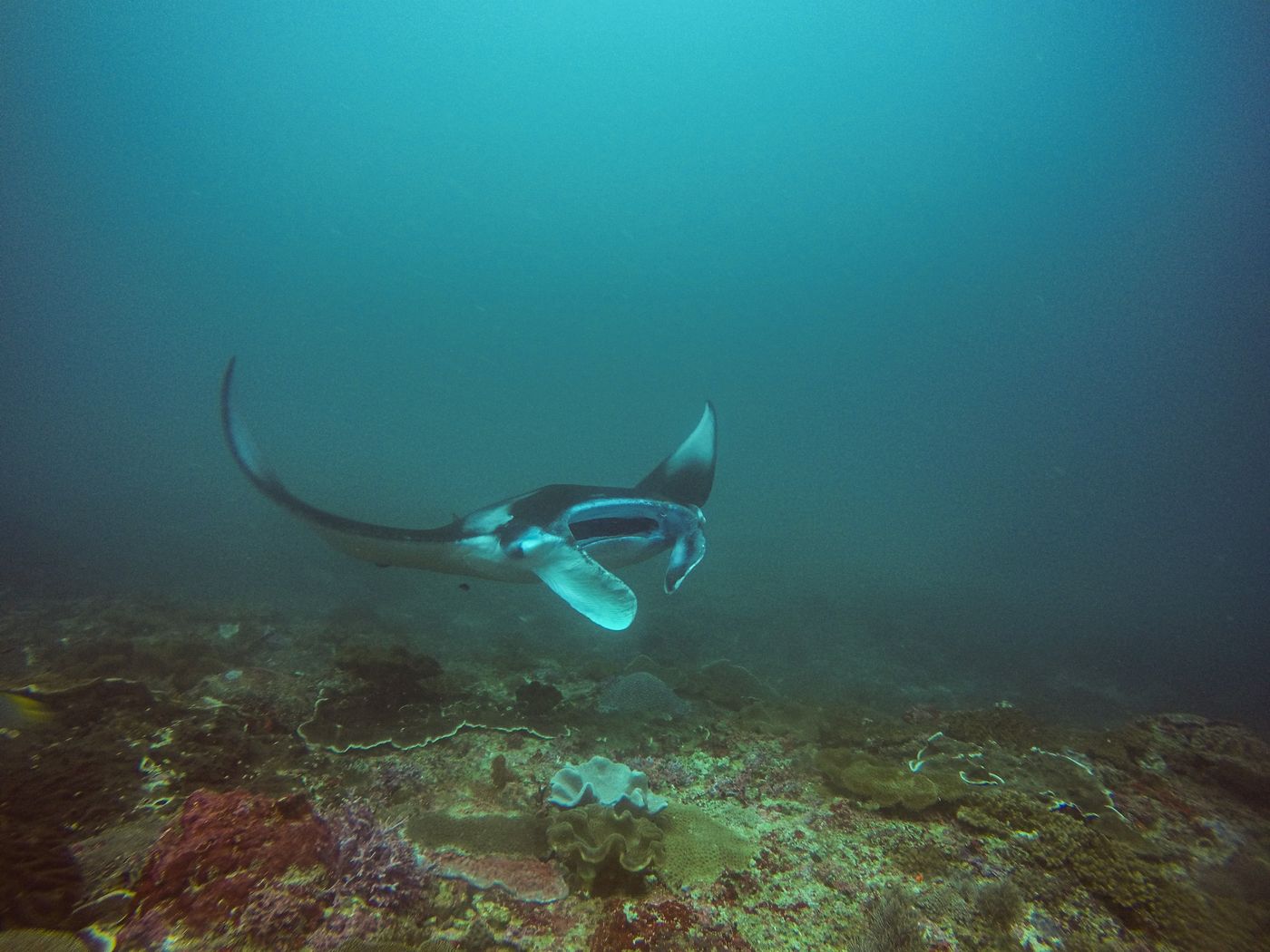 DivingSome of the best diving in Bali, with currents to match.
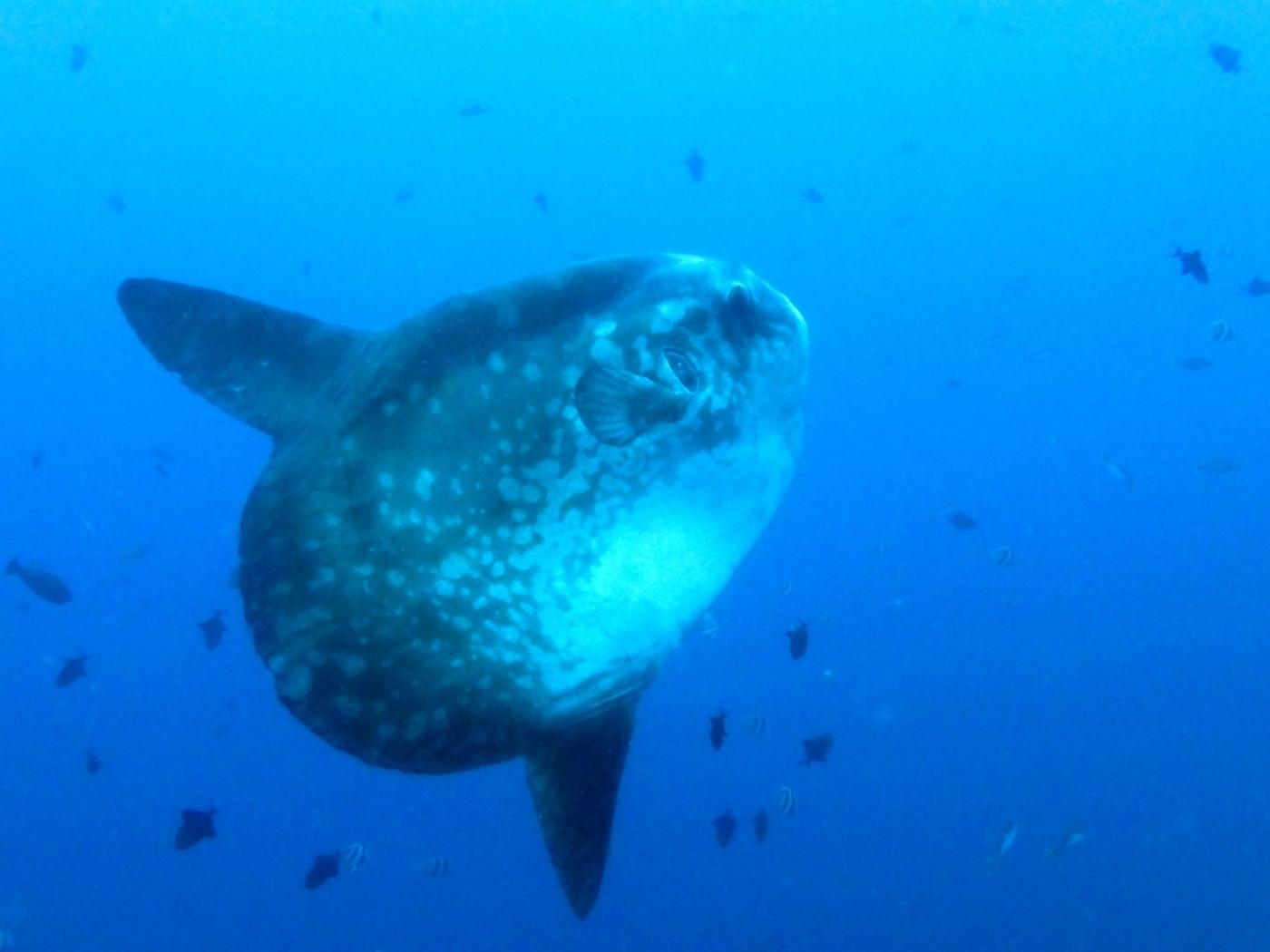 Mola mola seasonThe oceanic sunfish lives deep and rises to Penida's reefs to be cleaned.
Coast
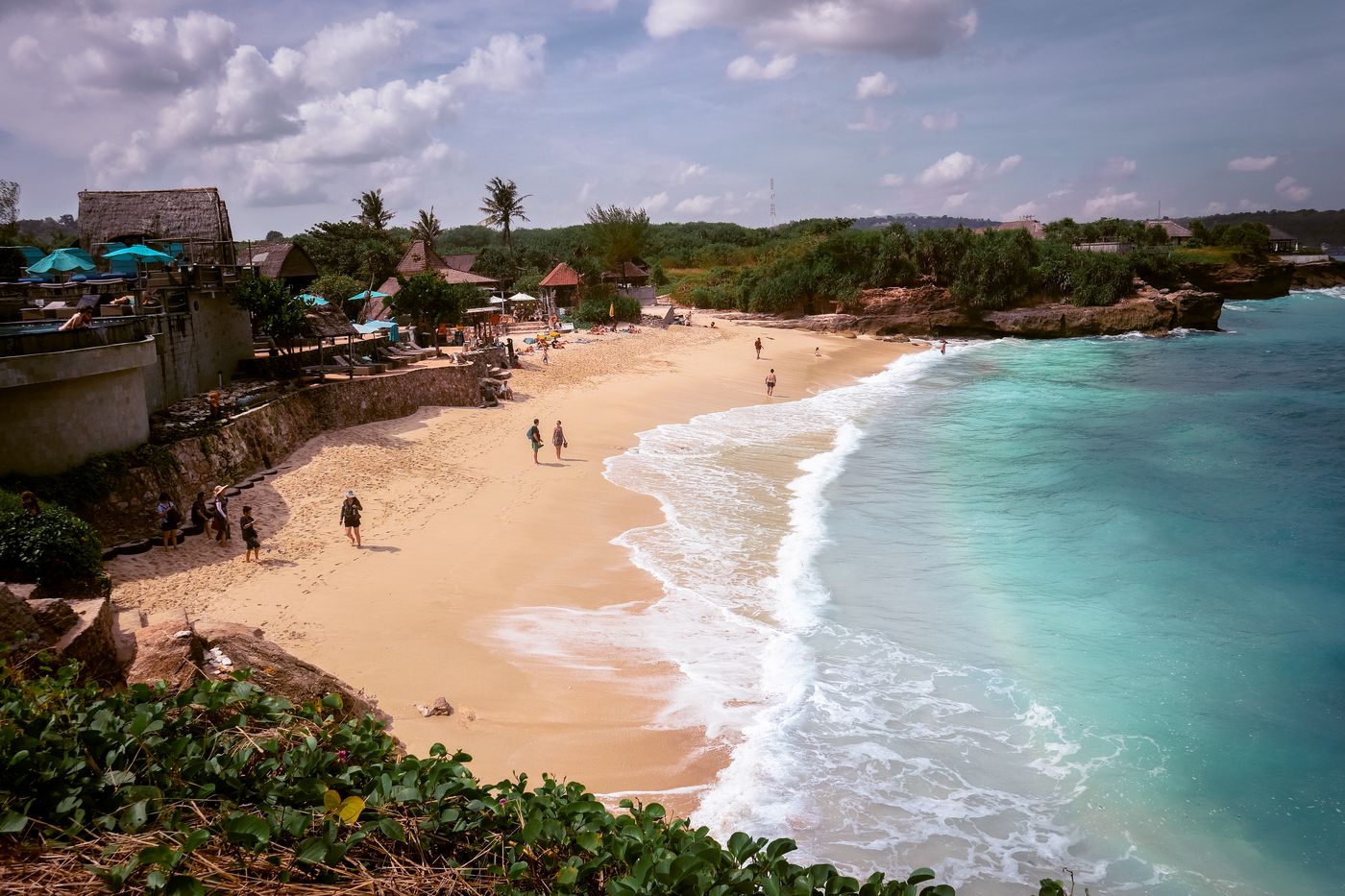 Beaches for swimmingSome of Lembongan's beaches are calm and shallow.
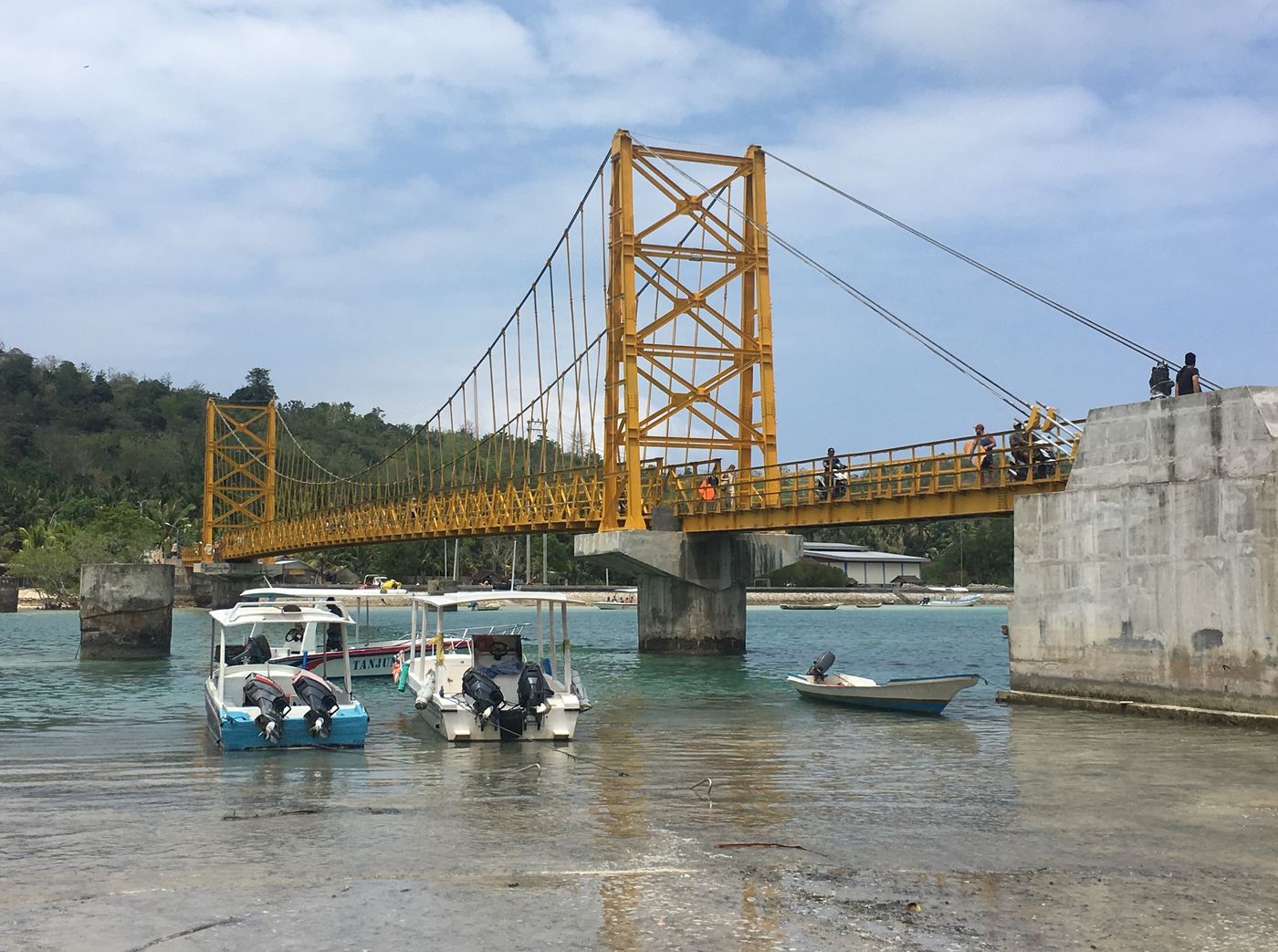 Yellow Bridge and CeninganA narrow bridge over the mangrove channel takes you to the smallest of the three islands: cliffs, a deep blue lagoon and quiet coves.
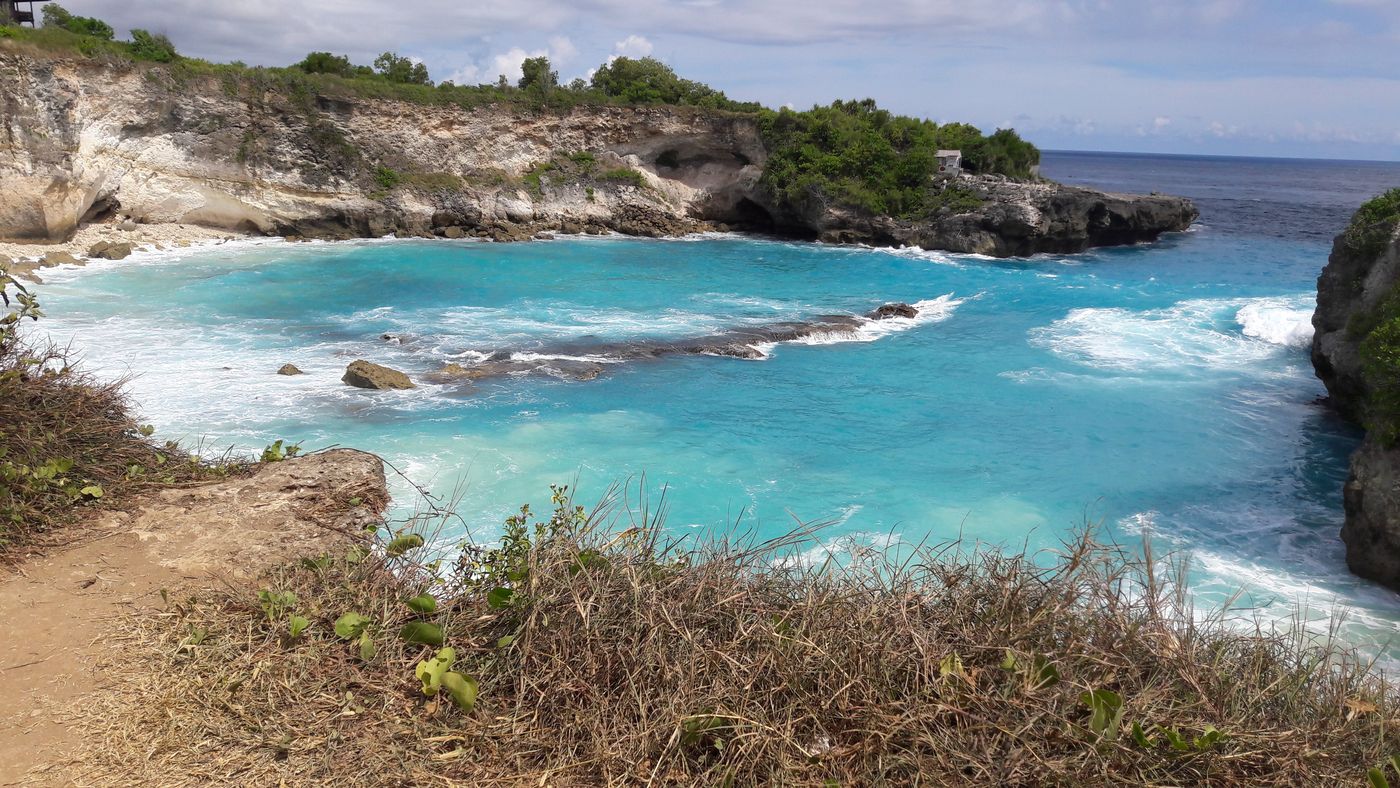 Blue Lagoon and cliff jumpingCeningan's west coast drops straight into deep, impossibly blue water.
- Devil's Tears and Dream BeachOn the southwest coast the reef gives way to limestone.
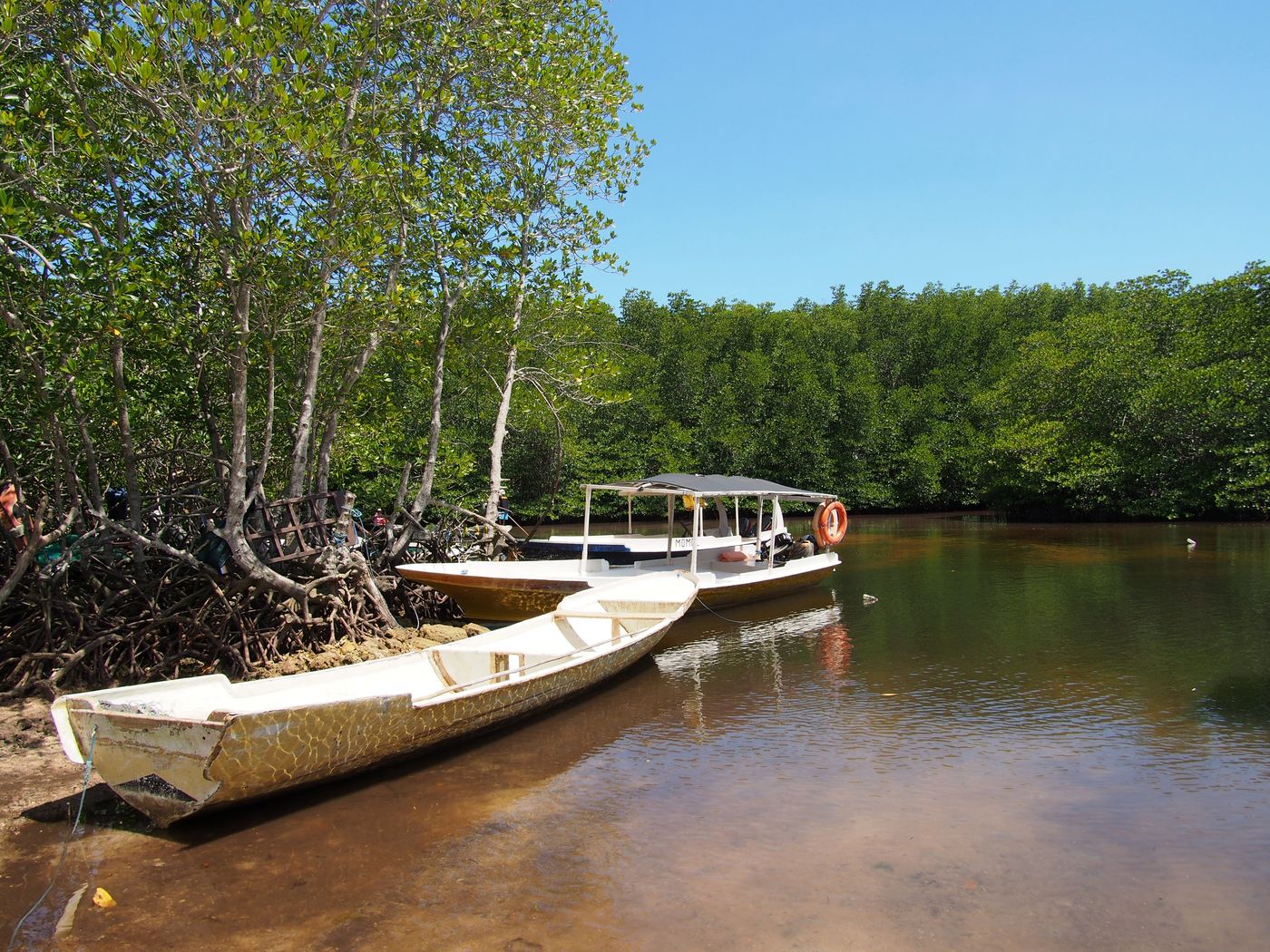 The mangrovesIn the north-east of the island, channels wind through a forest that stands in the sea.
- Sunset spotsLembongan's west coast faces the open sea and the Bali strait, so most evenings end in gold.
Island life
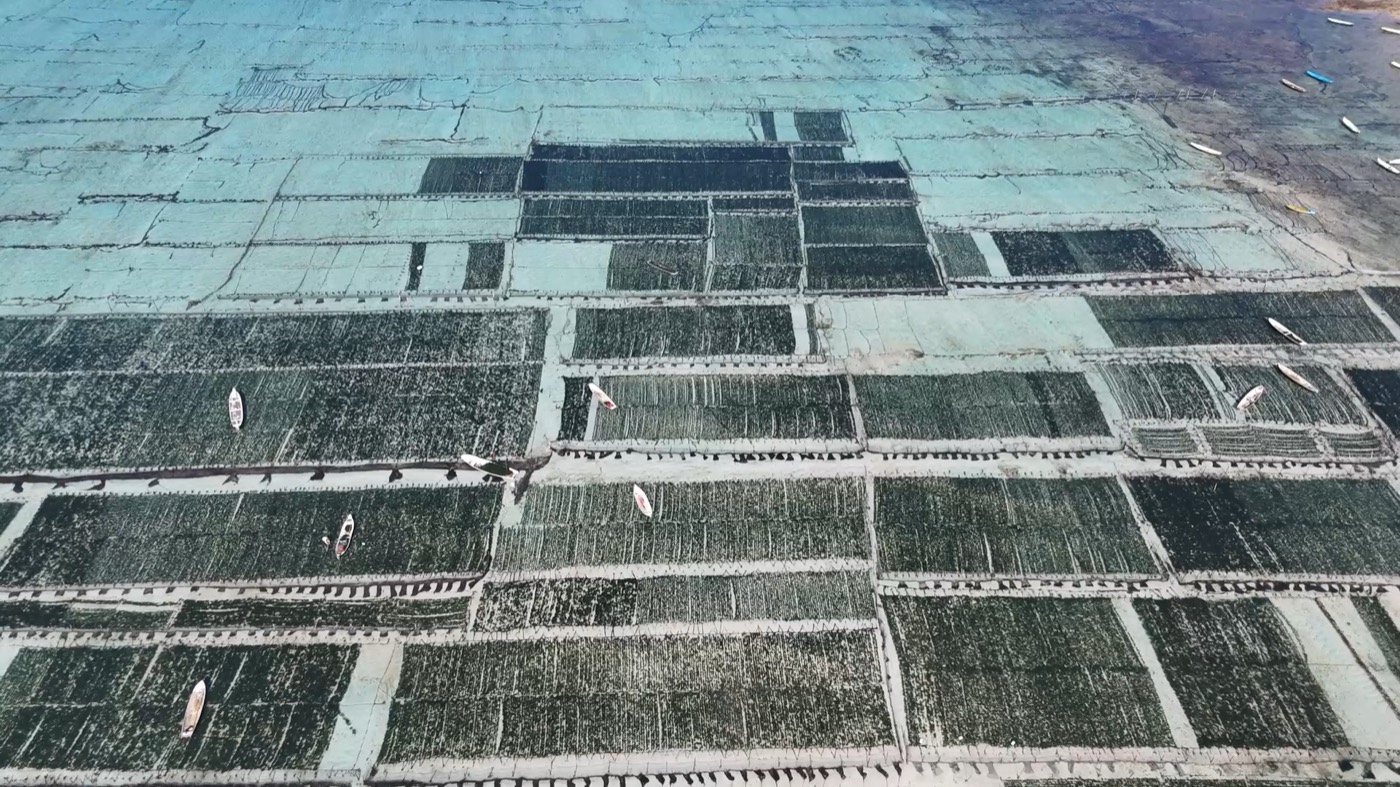 The seaweed farmsBefore tourism, seaweed was the island's living.
- Nusa CeninganAcross the Yellow Bridge from Lembongan, a quiet island of seaweed farms, limestone cliffs and steep little roads.
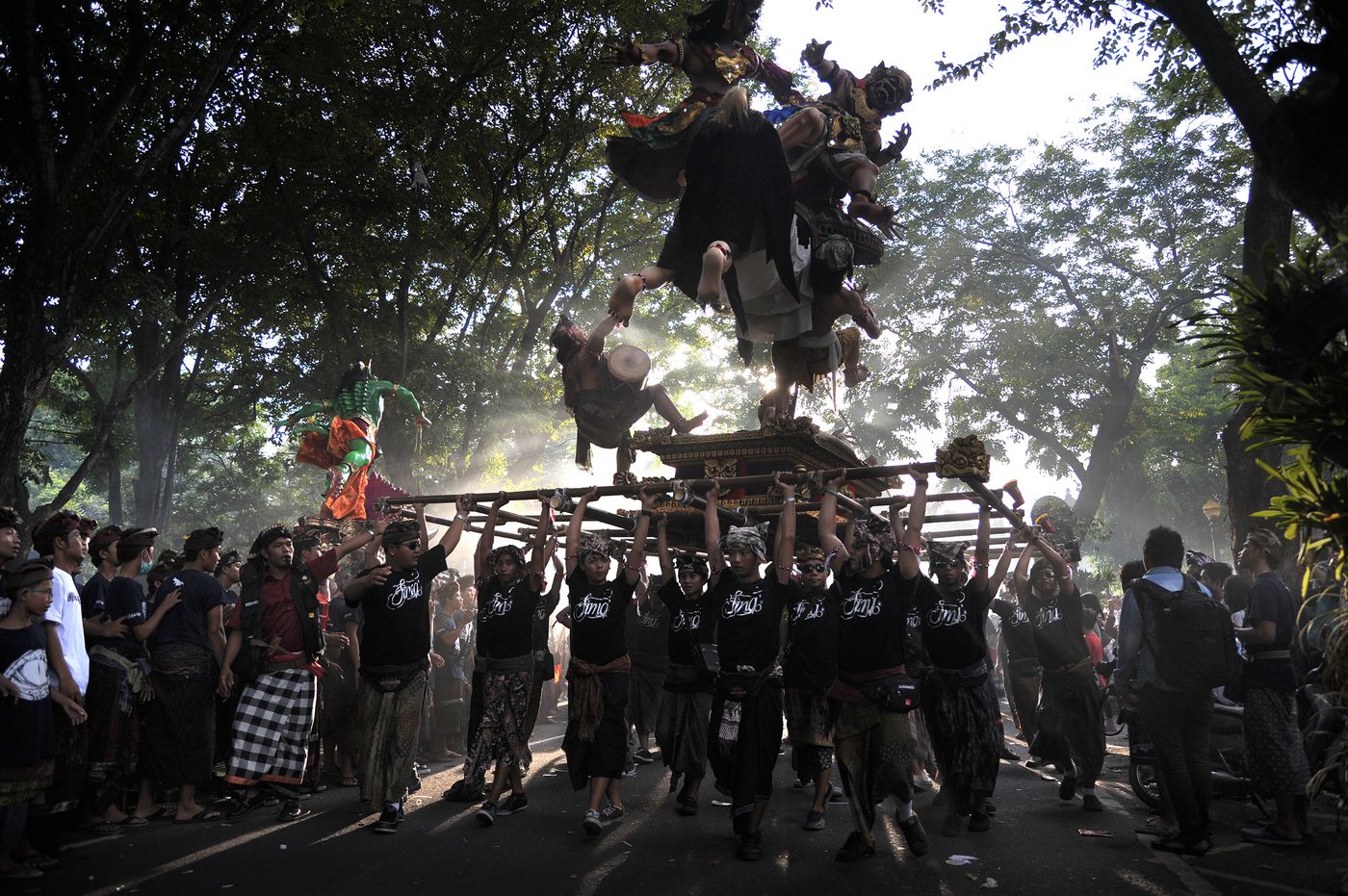 NyepiOnce a year Bali and the Nusa islands stop completely for 24 hours.
 Gala-Gala houseOne man spent fifteen years digging a home out of the limestone with hand tools.